
North Carolina P.E. Stamp Services
Engineering review and P.E. sealing support for supported permit and project scopes in North Carolina. We review the actual plans, technical information, and reviewer comments before confirming the engineering scope.
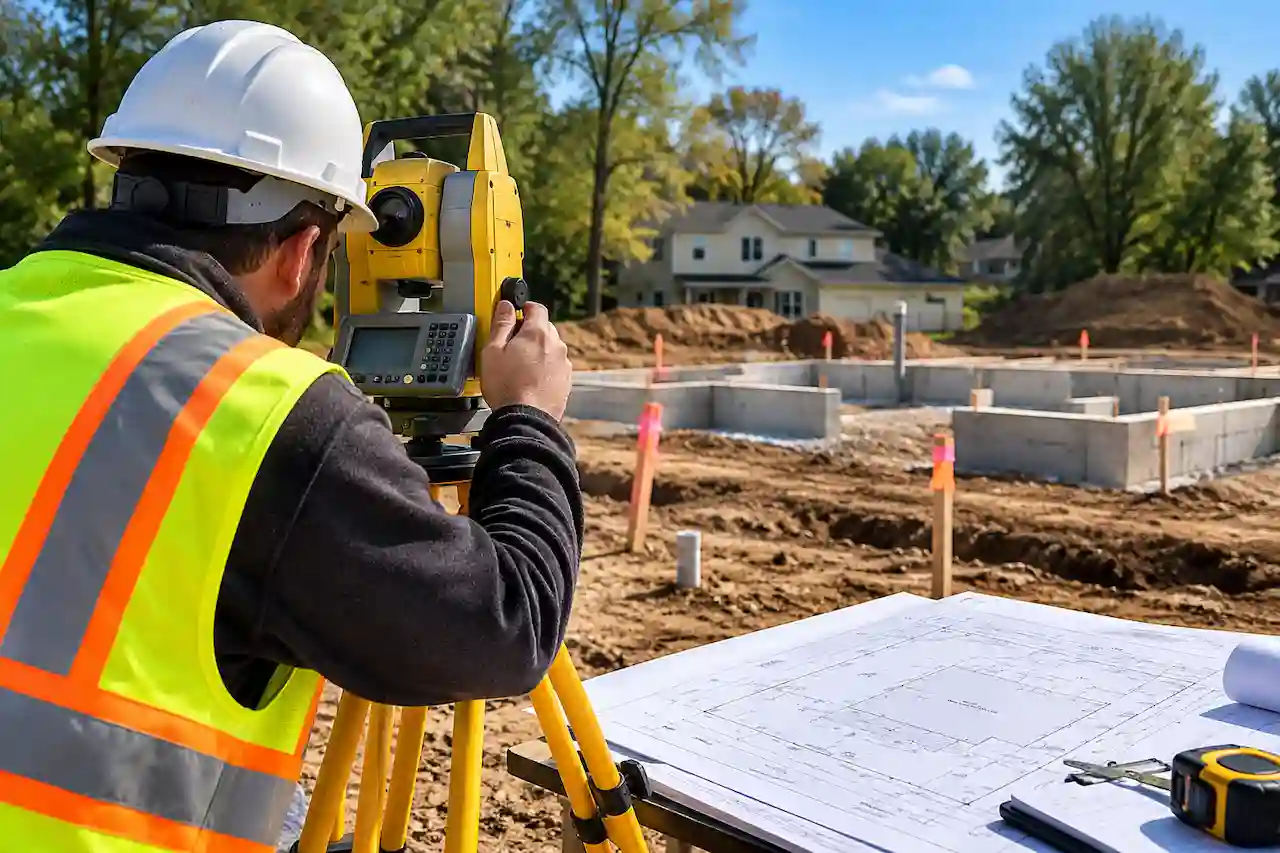
What the P.E. seal represents in North Carolina.
North Carolina Board rules state that it is misconduct for a Professional Engineer to seal work done by another person unless the work was performed under the engineer’s responsible charge. The Board defines responsible charge through direct control and personal supervision, full professional knowledge of the work, authority to review and change the work, and acceptance of full responsibility. Final engineering drawings are certified with the seal, written signature, and date, and engineering drawing sheets include the firm information required by the rules.
The practical point is that the seal follows professional engineering responsibility. Existing drawings may be useful input, but they are not automatically ready for sealing if the engineer has not had the level of control, knowledge, review, or supervision required by North Carolina rules.
North Carolina building and development review is often handled by city or county authorities, so structural, floodplain, stormwater, zoning, and local development requirements can vary by jurisdiction.
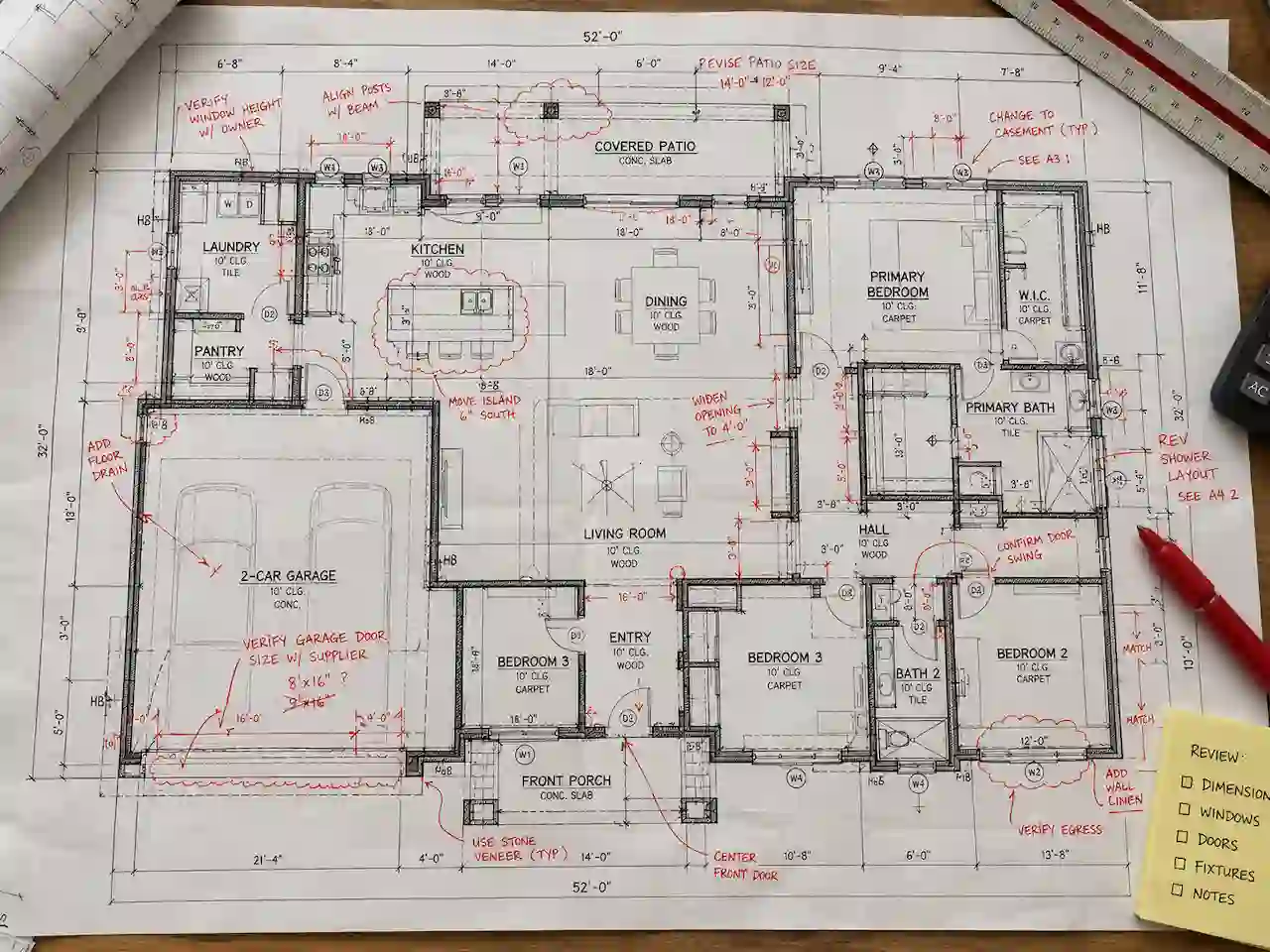
Where engineering may enter a North Carolina permit project.
The actual requirement depends on the property, design, jurisdiction, code, and what the reviewing authority is asking for.
Foundations, framing, additions, beams, retaining elements, accessory structures, or other structural scopes requiring analysis or design.
Supported grading, drainage, utility, site-development, or related civil-engineering work requiring professional review.
Reviewer comments requesting calculations, engineered details, technical responses, or signed and sealed documents.
Give the engineer enough information to understand the real project.
- Property address and reviewing jurisdiction
- Current architectural, site, structural, or civil plans
- Permit correction notice or reviewer comments
- Survey and existing-condition information when available
- Photographs, dimensions, and relevant field information
- Previous calculations, technical reports, or engineering documents
The seal follows the engineering review.
Technical review varies by project, but professional responsibility requires enough technical information and professional control to support the engineering decisions within the final work.
Loads, geometry, dimensions, materials, site conditions, and project constraints as applicable.
Structural, civil, drainage, or other engineering calculations when the project requires them.
The drawings, details, calculations, and written scope should be technically consistent.
The engineer reviews the final engineering work before signing, sealing, or otherwise accepting professional responsibility.
State rules and board guidance
They solve different permit problems.
A site plan can document property layout, proposed work, setbacks, access, easements, and other permit information. Engineering adds technical design, analysis, calculations, judgment, and professional responsibility where the project requires it.
North Carolina engineering review workflow.
Review
We review the project, jurisdiction, plans, comments, and available technical information.
Define
We identify the engineering work, missing inputs, revisions, calculations, and final deliverables.
Engineer
The licensed professional reviews or develops the engineering work within the agreed scope.
Issue
Final deliverables are prepared for the agreed permit or project submission.
Documents that commonly shape the engineering review.
Questions before engineering review.
Does every North Carolina site plan need a P.E. stamp?
No. Engineering is project-specific. The need for a P.E. depends on the type of work, applicable requirements, and what the reviewing authority asks for.
Can a P.E. simply stamp an existing drawing?
Not automatically. The engineer must have the level of professional knowledge, review, supervision, and responsibility required by the applicable state rules for the work being sealed.
What if the permit reviewer only wrote “engineer required”?
Send the entire correction notice and current plans. The surrounding comments usually help identify whether the issue is structural, civil, drainage, foundation, or another engineering matter.
Can I send digital plans?
Yes. Digital plans, PDFs, reviewer comments, photos, surveys, and technical documents are useful for the initial scope review.
Send the plans and the actual permit requirement.
We will review the documents and confirm whether the project fits a supported North Carolina engineering scope.