
Virginia P.E. Stamp Services
Engineering review and P.E. sealing support for supported permit and project scopes in Virginia. We review the actual plans, technical information, and reviewer comments before confirming the engineering scope.
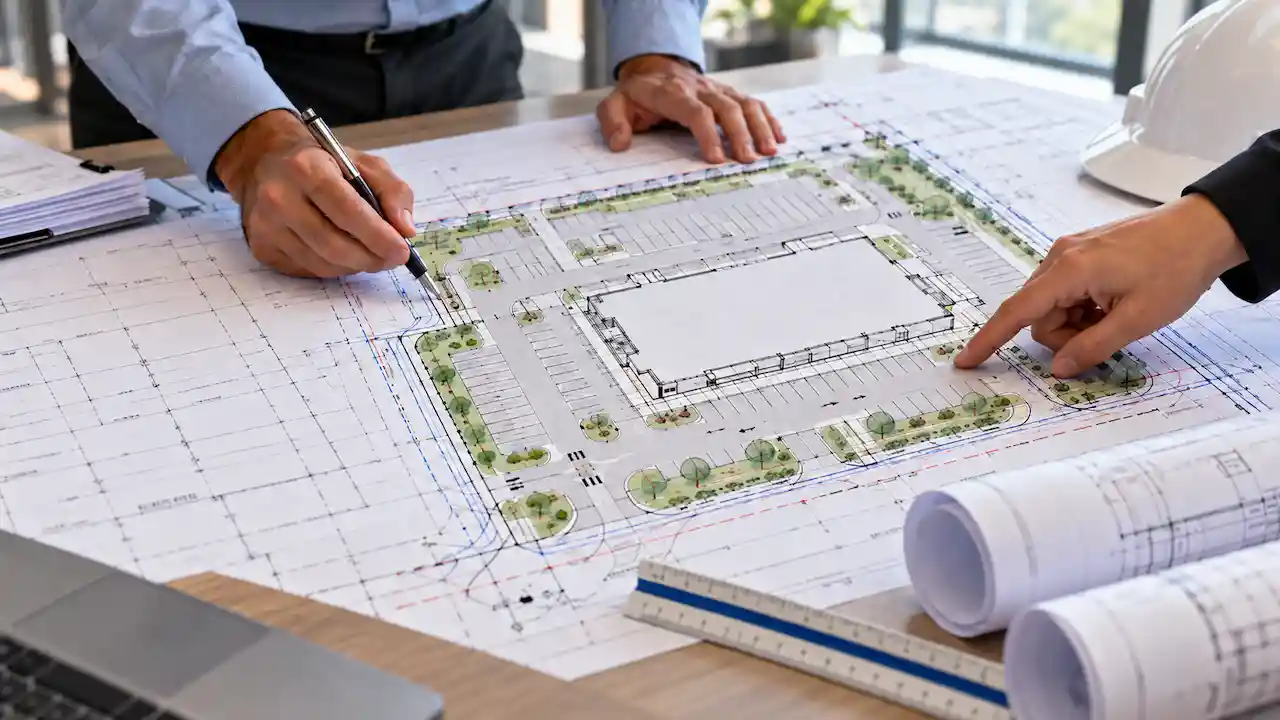
What the P.E. seal represents in Virginia.
Virginia regulations require final documents prepared by a professional, or under the professional’s direct control and personal supervision, to be sealed, signed, and dated. On multidisciplinary projects, each professional seals the component they completed or supervised. Virginia also permits electronic seals, signatures, and dates when the electronic signature is unique, verifiable, and under the professional’s direct control. Preliminary documents may be identified as incomplete and do not need to be sealed.
The practical point is that the seal follows professional engineering responsibility. Existing drawings may be useful input, but they are not automatically ready for sealing if the engineer has not had the level of control, knowledge, review, or supervision required by Virginia rules.
Virginia permit review can involve city or county building officials, zoning staff, floodplain or Chesapeake Bay requirements, stormwater review, and other local development standards depending on the project location.
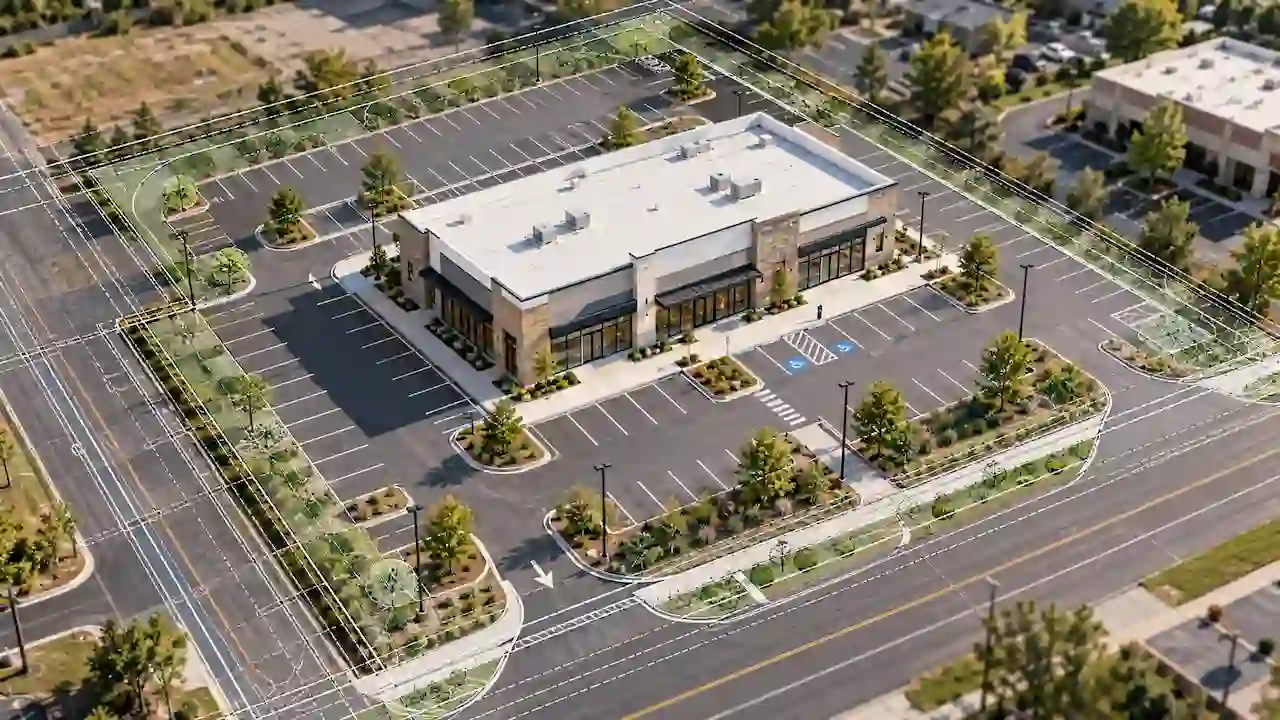
Where engineering may enter a Virginia permit project.
The actual requirement depends on the property, design, jurisdiction, code, and what the reviewing authority is asking for.
Foundations, framing, additions, beams, retaining elements, accessory structures, or other structural scopes requiring analysis or design.
Supported grading, drainage, utility, site-development, or related civil-engineering work requiring professional review.
Reviewer comments requesting calculations, engineered details, technical responses, or signed and sealed documents.
Give the engineer enough information to understand the real project.
- Property address and reviewing jurisdiction
- Current architectural, site, structural, or civil plans
- Permit correction notice or reviewer comments
- Survey and existing-condition information when available
- Photographs, dimensions, and relevant field information
- Previous calculations, technical reports, or engineering documents
The seal follows the engineering review.
Technical review varies by project, but professional responsibility requires enough technical information and professional control to support the engineering decisions within the final work.
Loads, geometry, dimensions, materials, site conditions, and project constraints as applicable.
Structural, civil, drainage, or other engineering calculations when the project requires them.
The drawings, details, calculations, and written scope should be technically consistent.
The engineer reviews the final engineering work before signing, sealing, or otherwise accepting professional responsibility.
State rules and board guidance
Virginia Board for Architects, PEs, Land Surveyors and Landscape Architects →
They solve different permit problems.
A site plan can document property layout, proposed work, setbacks, access, easements, and other permit information. Engineering adds technical design, analysis, calculations, judgment, and professional responsibility where the project requires it.
Virginia engineering review workflow.
Review
We review the project, jurisdiction, plans, comments, and available technical information.
Define
We identify the engineering work, missing inputs, revisions, calculations, and final deliverables.
Engineer
The licensed professional reviews or develops the engineering work within the agreed scope.
Issue
Final deliverables are prepared for the agreed permit or project submission.
Documents that commonly shape the engineering review.
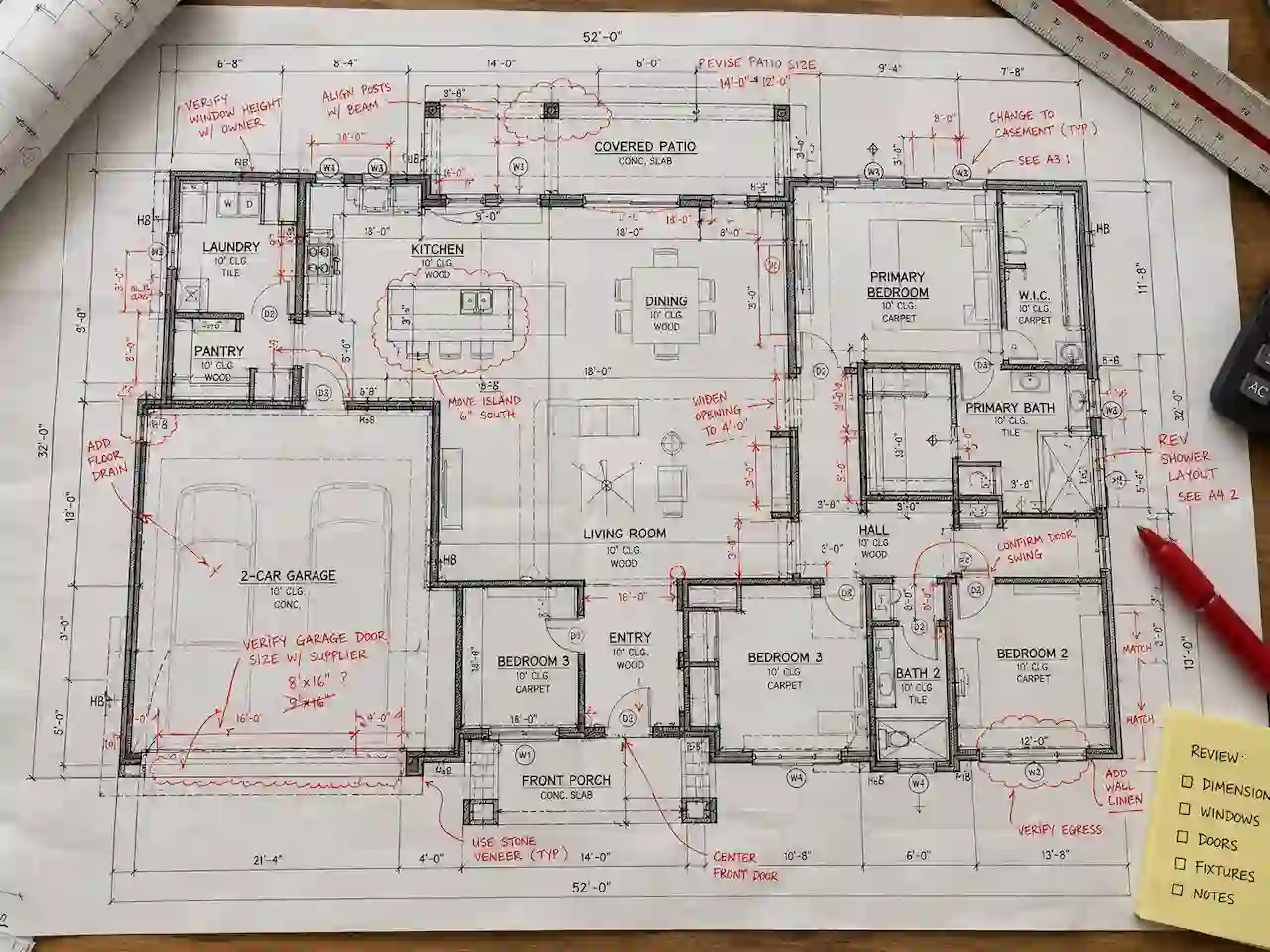
Questions before engineering review.
Does every Virginia site plan need a P.E. stamp?
No. Engineering is project-specific. The need for a P.E. depends on the type of work, applicable requirements, and what the reviewing authority asks for.
Can a P.E. simply stamp an existing drawing?
Not automatically. The engineer must have the level of professional knowledge, review, supervision, and responsibility required by the applicable state rules for the work being sealed.
What if the permit reviewer only wrote “engineer required”?
Send the entire correction notice and current plans. The surrounding comments usually help identify whether the issue is structural, civil, drainage, foundation, or another engineering matter.
Can I send digital plans?
Yes. Digital plans, PDFs, reviewer comments, photos, surveys, and technical documents are useful for the initial scope review.
Send the plans and the actual permit requirement.
We will review the documents and confirm whether the project fits a supported Virginia engineering scope.