
New Jersey P.E. Stamp Services
Engineering review and P.E. sealing support for supported permit and project scopes in New Jersey. We begin with the actual plans, technical information, and reviewer comments so the engineering responsibility is clear before work starts.
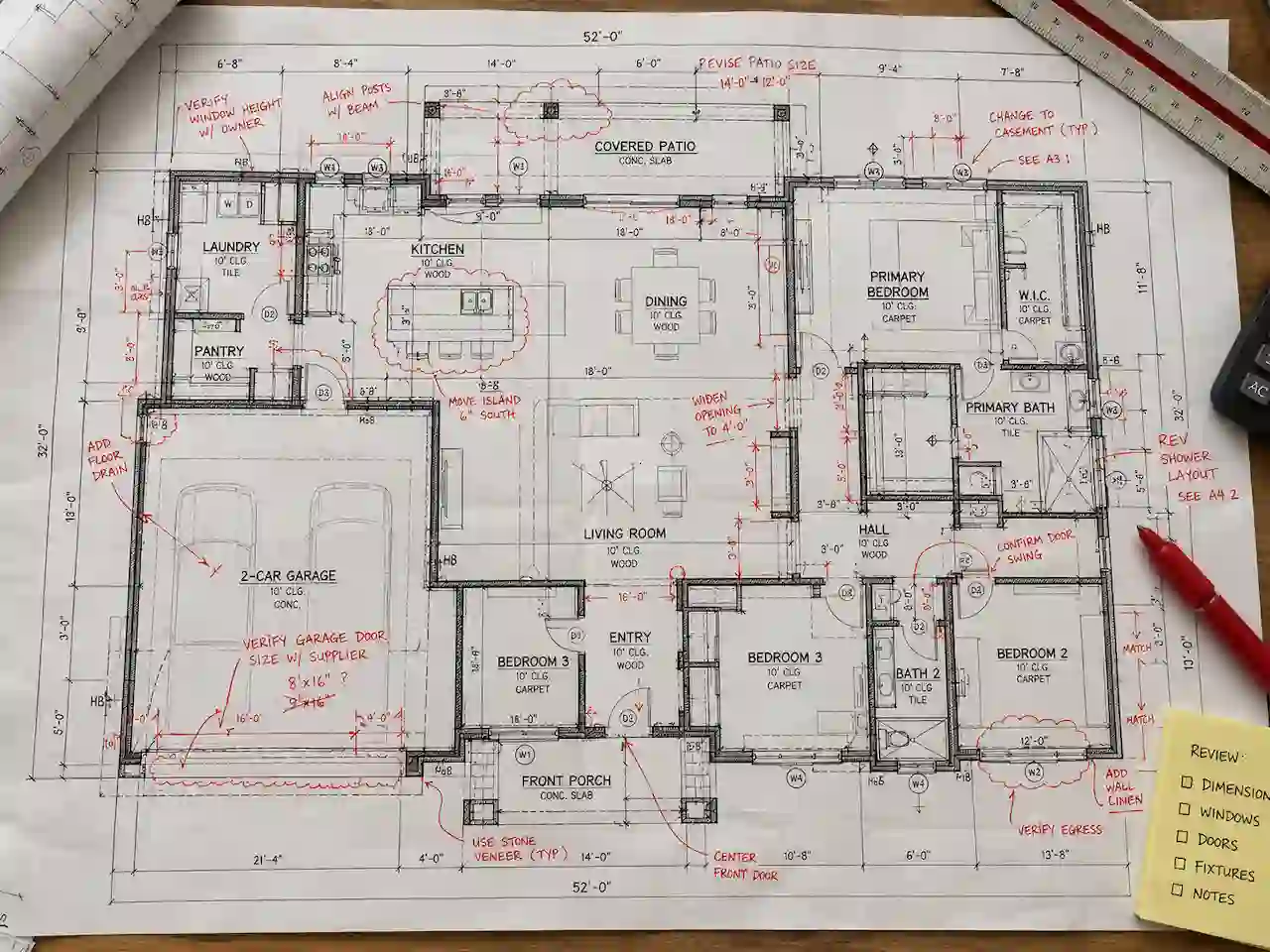
What the seal means in New Jersey.
New Jersey rules require Board-authorized digital or impression-type seals that contain the professional engineer’s name and license number. Applying the signature and seal indicates that the licensee provided regular and effective supervision over work that materially affects the quality and competence of the engineering services and accepts professional responsibility for the document.
For New Jersey work, sealing is tied to supervision and professional responsibility. A completed drawing from another source may need technical review, revision, or additional engineering before it can become part of a sealed submission.
New Jersey permit scopes can also be affected by municipal zoning, flood hazard, coastal, stormwater, utility, and local land-development requirements.
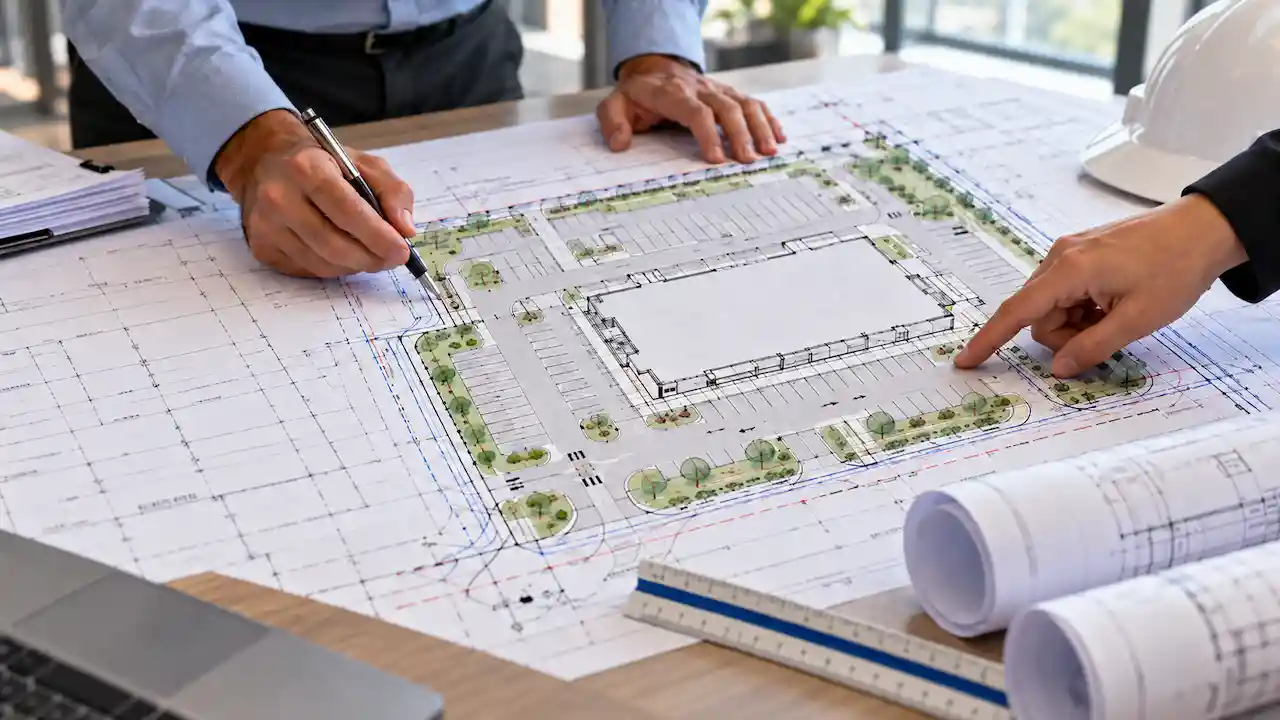
Where engineering may become part of the New Jersey permit process.
The actual requirement depends on the project, code, jurisdiction, and what the permit authority is asking for.
Foundations, framing, additions, retaining elements, accessory structures, or other structural work where analysis or design is required.
Supported grading, drainage, site-development, utility, or other civil work requiring professional engineering review.
Reviewer requests for calculations, engineered details, technical responses, or signed and sealed final documents.
Start with the exact project and written requirement.
- Property address and reviewing jurisdiction
- Current site plan, architectural plans, or engineering drawings
- Permit correction notice or plan-check comments
- Survey or existing-condition information when available
- Relevant dimensions, photographs, and technical documents
- Previous calculations, reports, or engineering work
The seal follows the engineering review.
Technical review varies by discipline and project, but the engineer needs enough information and professional control to take responsibility for the engineering work being issued.
Loads, dimensions, site conditions, materials, geometry, and project constraints as applicable.
Structural, civil, drainage, or other engineering calculations when required.
The drawings, details, calculations, and written scope should agree with one another.
The engineer reviews the final engineering work before accepting responsibility for it.
Use the state board or agency guidance for authoritative requirements.
These are different scopes.
A permit site plan can document property layout, proposed work, setbacks, access, and other permit information. Engineering adds technical design, analysis, calculations, professional judgment, and professional responsibility where required.
New Jersey engineering review workflow.
Review
We review the property address, plans, permit comments, and supporting documents.
Define
We identify the engineering work, missing information, and required deliverables.
Engineer
The licensed professional reviews or develops work within the agreed engineering scope.
Issue
Final documents are prepared for the agreed permit or project use.
Questions before engineering review.
Does every New Jersey site plan need a P.E. stamp?
No. The need for engineering depends on the project, jurisdiction, applicable law, and the reviewing authority’s requirements.
Can an engineer simply stamp an existing drawing?
The engineer must have a sufficient technical basis and level of professional responsibility for the engineering work. Existing drawings may need review, revision, calculations, or additional information.
What should I send if the reviewer asked for engineering?
Send the full correction notice, current plans, property address, and any technical documents or calculations you already have.
Send the actual plans and reviewer comments.
We will review the requirement and confirm whether the project fits a supported New Jersey engineering scope.