
Texas P.E. Stamp Services
Texas engineering review and P.E. sealing support for supported structural, civil, permit-correction, and site-related scopes. We review the project first so the engineering responsibility and deliverables are clear before work begins.
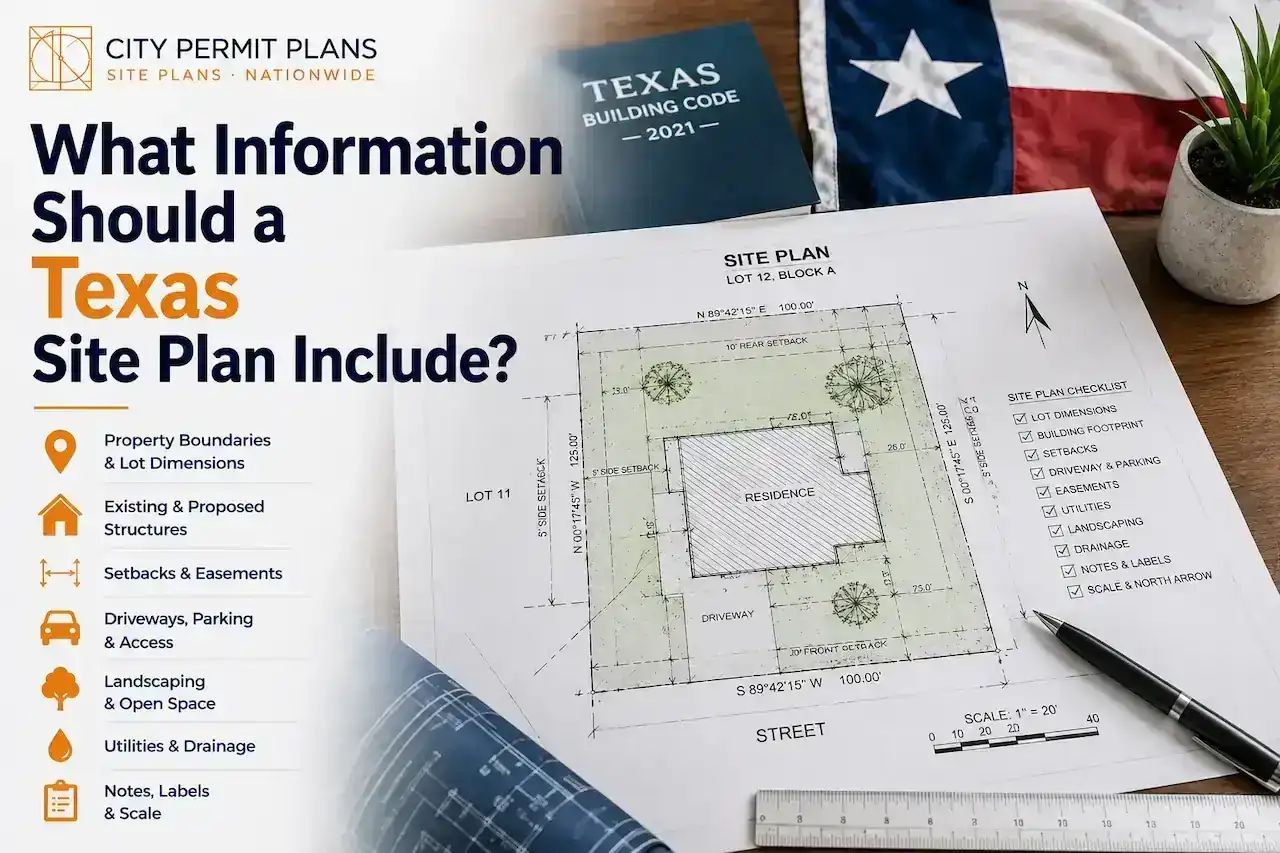
The engineer must have control and detailed professional knowledge of the work.
Texas Board guidance defines direct supervision as control over, and detailed professional knowledge of, engineering work prepared under the engineer’s supervision. The engineer personally makes engineering decisions or reviews and approves proposed decisions before they are implemented.
Texas Board rules also require engineering documents released by or for a registered engineering firm to identify the engineering firm name and registration number. A seal therefore represents professional responsibility within a regulated engineering practice, not simply a final graphic placed on a drawing.
Engineering offered to the public must be performed by, done by, or directly supervised by a Texas-licensed professional engineer working within the applicable firm requirements.
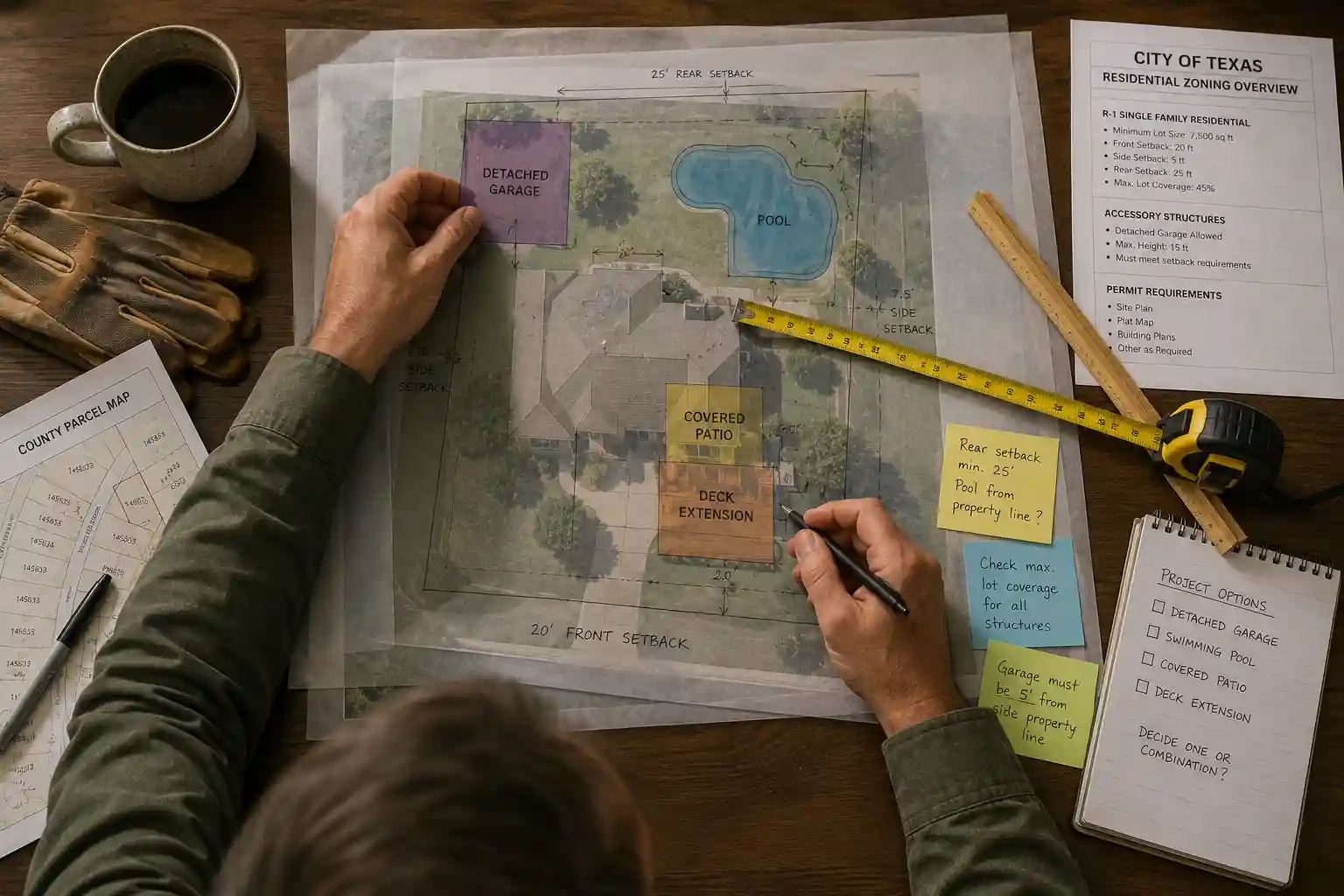
Where P.E. review often enters a permit project.
Supported foundations, framing, additions, accessory structures, retaining systems, or other structural design work.
Supported grading, drainage, site-development, or civil-engineering items where technical design is required.
City or county comments requesting calculations, engineered details, analysis, or signed and sealed engineering documents.
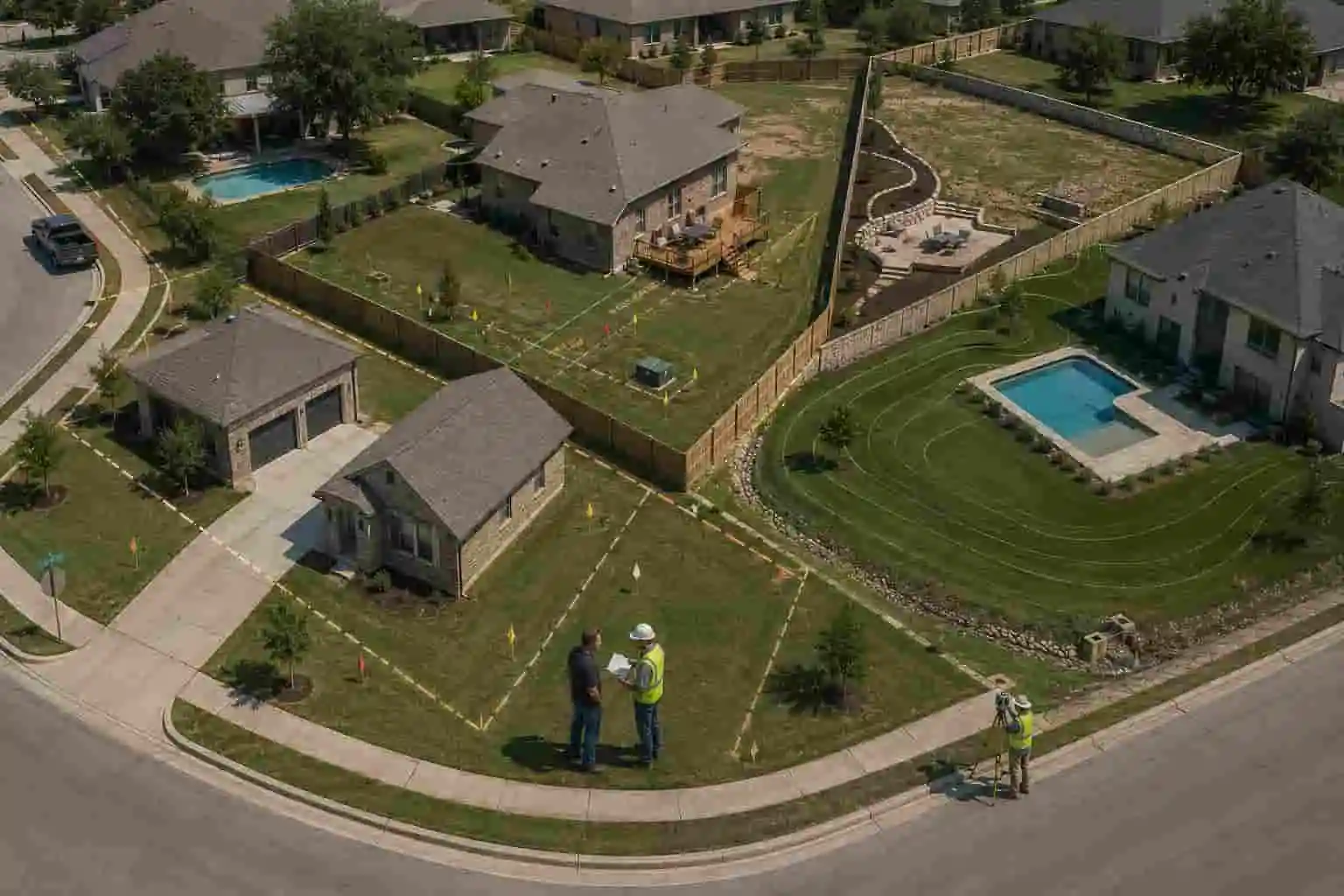
Start with the exact Texas project and permit requirement.
- Project address and city/county jurisdiction
- Current site plan, architectural plans, or engineering drawings
- Written permit comments or reviewer correction notice
- Survey, grading, drainage, utility, or existing-condition information
- Relevant dimensions, field photos, and technical documents
- Any previous calculations, reports, or engineering work
The seal follows the engineering review.
The actual technical review changes by project. The point is that the engineer must understand and control the engineering decisions within the scope being sealed.
Loads, dimensions, soil or site conditions, materials, geometry, and project constraints as applicable.
Structural, civil, drainage, or other engineering calculations when required by the project.
The drawings, details, calculations, and written scope need to agree with one another.
The engineer reviews the final engineering work product before accepting responsibility for it.
Texas Board of Professional Engineers and Land Surveyors
Use the Board’s current rules and firm guidance for authoritative Texas engineering requirements.
Texas Engineering Practice Act & Rules →
Some permit scopes only need drafting. Others need engineering.
Property boundaries, existing and proposed work, dimensions, setbacks, access, easements, and permit information.
Technical analysis, calculations, design decisions, code criteria, and professional responsibility.
Texas engineering review workflow.
Review documents
Address, jurisdiction, current plans, comments, and available technical information.
Define scope
Identify engineering work, missing inputs, revisions, calculations, and final deliverables.
Professional review
The Texas-licensed engineer reviews or develops work within the agreed engineering scope.
Issue documents
Final engineering deliverables are prepared for the agreed permit or project use.
Texas property and permit conditions we may need to understand.
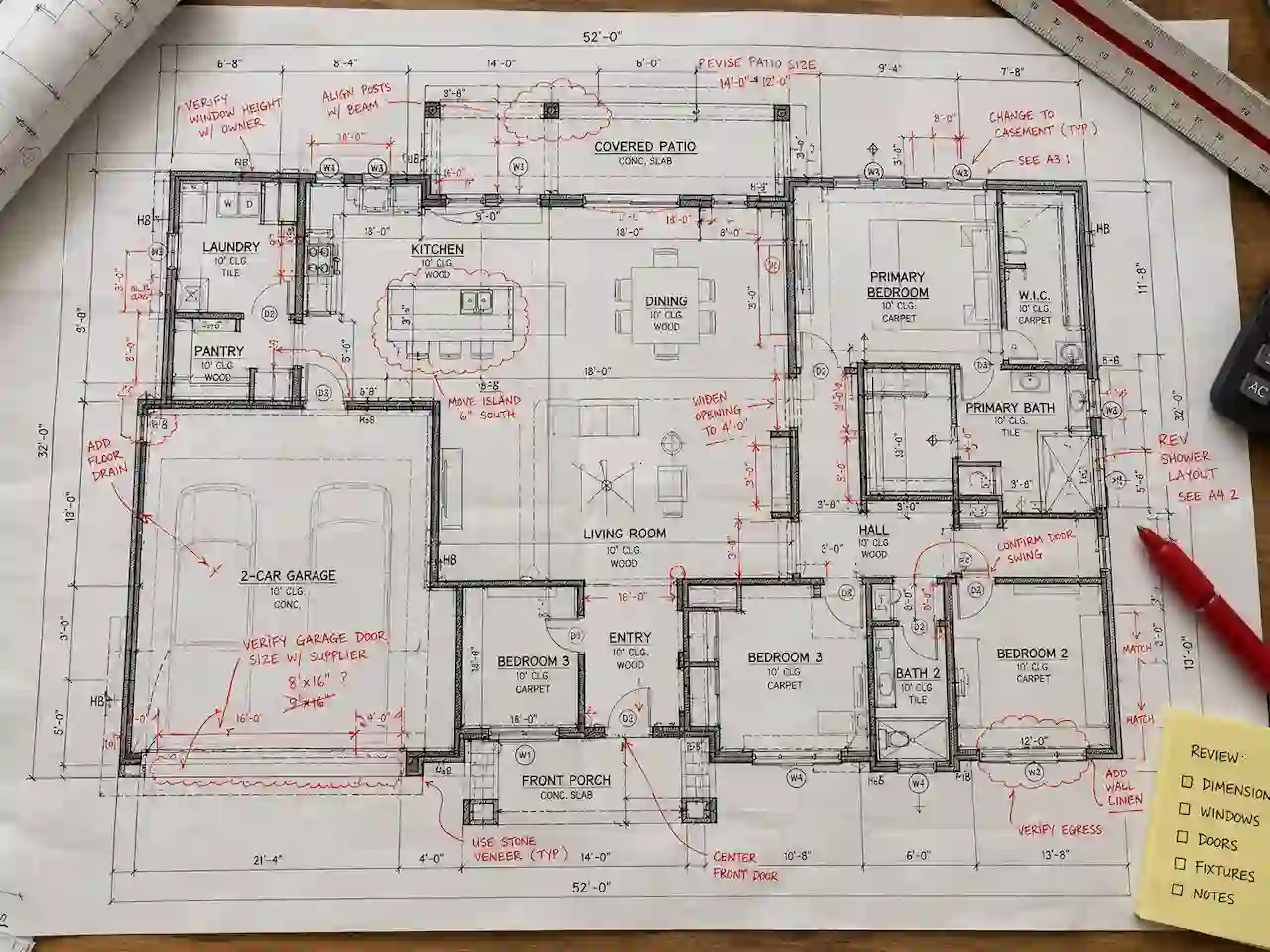
Questions before engineering review.
Does every Texas site plan need a P.E. stamp?
No. The requirement depends on the project, jurisdiction, applicable law, and what the permit reviewer is asking for.
What does “direct supervision” mean in Texas?
Texas Board guidance describes it as control over and detailed professional knowledge of the work, including making engineering decisions or personally reviewing and approving proposed decisions before implementation.
Why does the engineering firm matter?
Texas regulates firms that offer engineering services to the public, and Board rules require engineering work released by or for a registered firm to identify the firm name and registration number.
What if my reviewer only wrote “P.E. stamp required”?
Send the full correction notice and current plans. The surrounding comments often reveal whether the issue is structural, civil, drainage, foundation, or another engineering matter.
Send the actual reviewer comments and current plans.
We will confirm whether the project fits a supported Texas engineering scope and what information is still needed.